
First Meet Nerves: Helping Your Gymnast Feel Calm and Confident
The first gymnastics meet of the season can bring a mix of excitement, anticipation, and plenty of nerves.
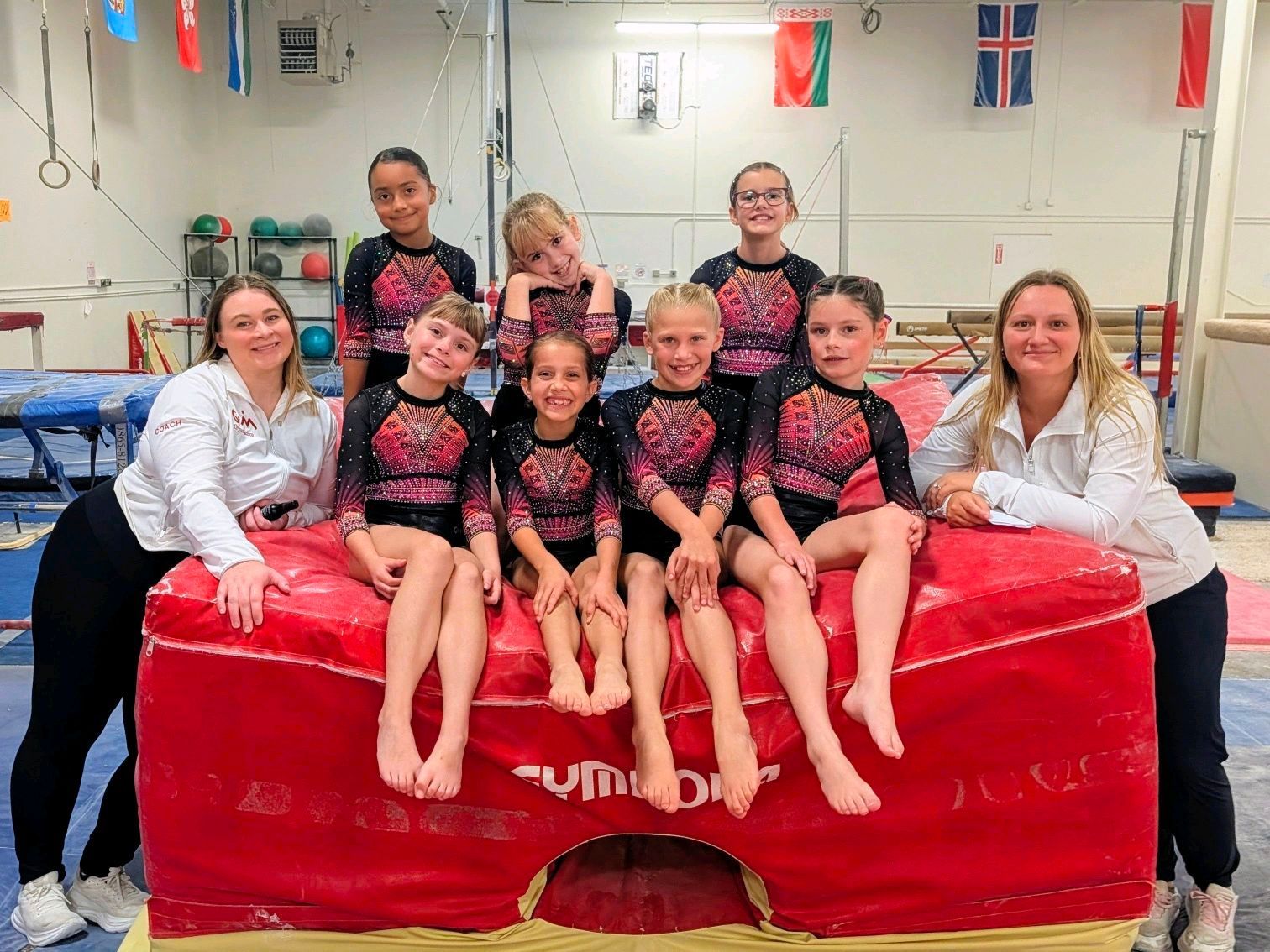
Whether it is your gymnast’s very first competition or simply the first meet after a long break, those butterflies are completely normal. They are often a sign that your athlete cares and is ready to do something important.
The goal is not to eliminate nervous feelings—it is to help gymnasts understand them, manage them, and step onto the competition floor with confidence.
Prepare the Night Before
A calm meet day begins with good preparation. Pack the gym bag the night before so there is no last-minute rush. Double-check that your gymnast has everything needed, including:
- Competition leotard or uniform
- Warm-up clothing
- Grips, wristbands, or other approved equipment
- Hair supplies
- Water bottle
- Healthy snacks, if permitted
- Any required team items
Once the bag is ready, encourage your gymnast to relax and get a good night’s sleep. Avoid spending the evening repeatedly reviewing routines or discussing scores. Their training is complete, and meet day is the time to trust their preparation.
Focus on What Can Be Controlled
Gymnasts cannot control their scores, the judges, the other competitors, or whether every routine goes exactly as planned. They can control their effort, attitude, preparation, and response to mistakes.
Before the meet, help your gymnast choose one or two simple goals that are not based on placement. Good goals might include:
- Staying positive throughout the meet
- Listening carefully to the coaches
- Performing with confidence
- Finishing each routine strong
- Supporting teammates
- Having fun and enjoying the experience
Success at a first meet is about much more than medals. Walking onto the competition floor, managing nerves, and completing routines in a new environment are accomplishments worth celebrating.
Create a Calm Meet-Day Routine
Give your family extra time to get ready and arrive at the meet. Feeling rushed can make nerves grow quickly. A familiar breakfast, calm music in the car, and encouraging conversation can help your gymnast feel grounded.
Try to keep meet-day conversations light and positive. Instead of asking, “Are you nervous?” try saying:
- “You are prepared for this.”
- “Trust your training.”
- “Have fun with your team.”
- “I love watching you compete.”
- “Be proud of yourself.”
These reminders help gymnasts focus on the experience instead of feeling pressured to achieve a particular score.
Let the Coaches Coach
Once the competition begins, athletes should look to their coaches for instructions, corrections, and support. Parents can help by cheering, smiling, and showing confidence from the stands.
Gymnasts often look toward their families after a routine. A smile, a wave, or enthusiastic applause lets them know they are supported—regardless of what happened during the routine.
Avoid calling out corrections from the audience or showing disappointment after a mistake. Competition already brings plenty of pressure. What gymnasts need most from their families is reassurance that their effort matters more than the result.
Remember That Mistakes Are Part of Competing
Even experienced gymnasts make mistakes. A fall, missed skill, or unexpected change does not erase all the hard work that came before it.
One of the most valuable skills gymnastics teaches is how to recover. Encourage your gymnast to take a breath, finish the routine, and move forward to the next event. A meet is not defined by one moment.
Learning to continue with confidence after a mistake is a victory in itself.
Keep the Post-Meet Conversation Positive
After the meet, give your gymnast time to process the experience. Begin with encouragement instead of immediately discussing scores or mistakes.
Try asking:
- “What was your favorite part?”
- “What are you proud of?”
- “What did you learn?”
- “What are you excited to work on next?”
Let the coaches handle the technical feedback at practice. Parents can focus on effort, courage, sportsmanship, and growth.
A simple statement such as, “I loved watching you compete,” can mean more than any detailed review of the meet.
Celebrate the Courage to Compete
Competing requires bravery. Gymnasts perform challenging skills in front of judges, spectators, teammates, and coaches. Feeling nervous does not mean they are unprepared—it means they are stepping outside their comfort zone.
Each meet helps athletes become more comfortable, confident, and resilient. The first competition is just one step in a much larger journey.
At IGM Gymnastics, we are proud of our athletes for their dedication, courage, and willingness to try. Take a deep breath, trust the training, support your teammates, and enjoy the moment. You are ready!
Published September 18, 2026