How to Be a Good Gymnastics Teammate | IGM Gymnastics
How to Encourage Your Gymnast to Be a Great Teammate
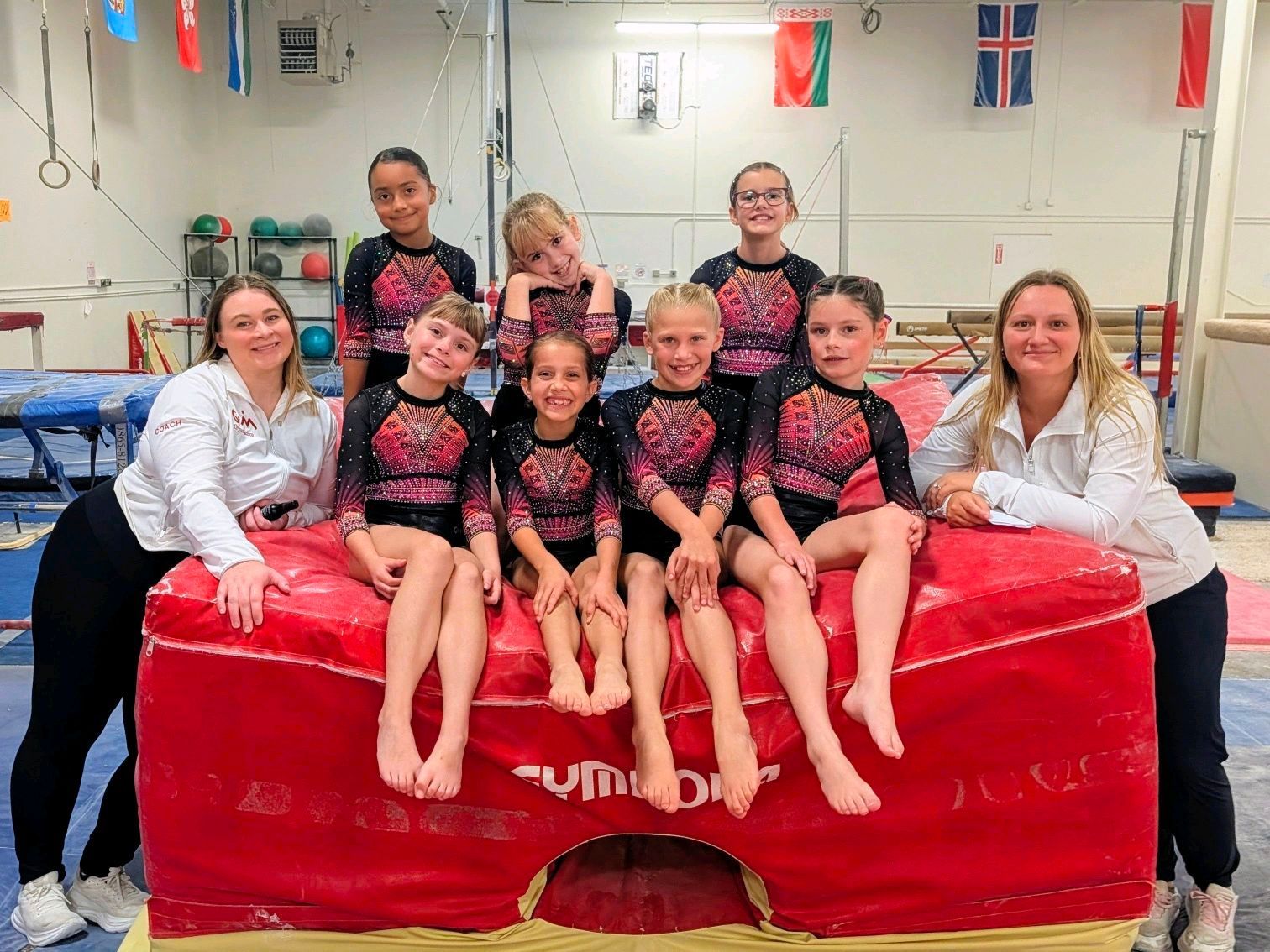
Gymnastics may look like an individual sport—one gymnast on the beam, one routine on the floor, one score at a time—but anyone who spends time in a gym knows that being a good gymnastics teammate is an important part of the sport.
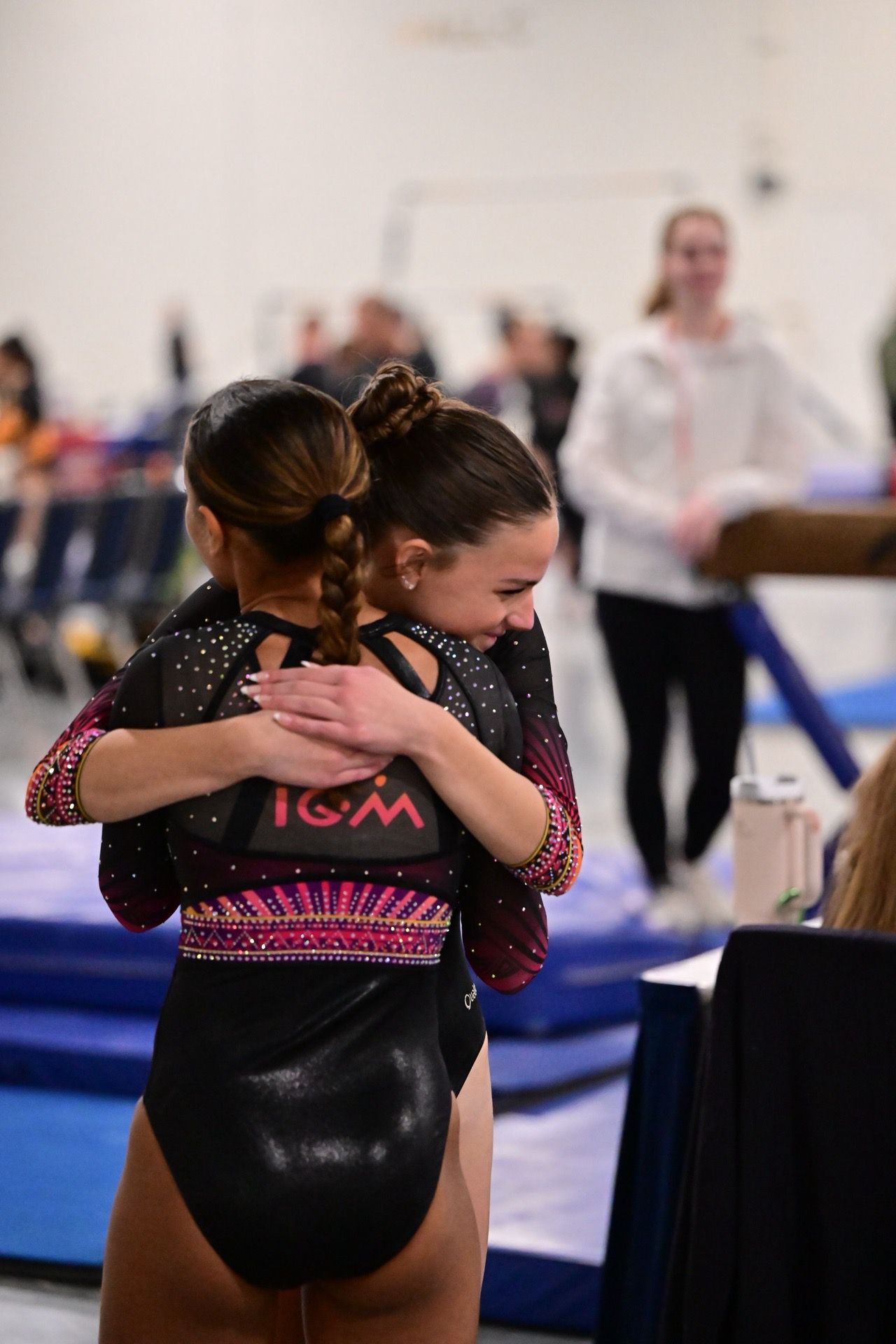
Great teammates support each other during practice, celebrate one another's accomplishments, encourage teammates after difficult routines, and help create a positive environment in the gym and at gymnastics meets.
Parents can play an important role in helping young athletes develop these habits.
Celebrate Someone Else's Success
It's completely normal for gymnasts to compare themselves to their teammates. One gymnast gets a new skill first. Another earns a higher score. Someone moves up a level or stands on top of the podium.
Those moments can be difficult, especially when your gymnast is working hard toward the same goal.
Encourage your gymnast to recognize a teammate's accomplishment even when they're disappointed with their own performance. A high-five, hug, "great job," or genuine congratulations goes a long way.
Learning to celebrate someone else's success without diminishing your own goals is a valuable lesson both in gymnastics and in life.
Cheer for Teammates at Gymnastics Meets
Being a good teammate doesn't stop when your gymnast's routine is finished.
Encourage your athlete to watch teammates compete, clap for them, cheer for them, and celebrate their victories—big and small.
Support is especially important when things don't go as planned.
The gymnast who falls off the beam may need encouragement from her teammates even more than the gymnast who just earned a 9.5.
Remember That Every Gymnast Progresses Differently
Gymnastics development is rarely a straight line.
One athlete may get a kip quickly but struggle with a back walkover. Another may be fearless on vault but need extra time to feel confident on beam.
Try to avoid comparisons such as, "She has that skill already—why don't you?"
Instead, keep conversations centered on your gymnast's individual progress, effort, improvements, and goals.
When parents avoid comparing athletes, it becomes easier for gymnasts to do the same.
Teach Them How to Handle a Teammate's Tough Day
Good sportsmanship isn't only about celebrating great routines.
Sometimes being a good teammate means sitting next to someone who is disappointed. Sometimes it's saying, "You've got the next one." Sometimes it's simply giving a teammate space.
Gymnasts don't need to fix each other's mistakes or disappointments. They just need to know how to be kind and supportive.
Keep the Ride Home Positive
The car ride after gymnastics practice or a meet can have a big impact.
Instead of immediately asking about scores, placements, falls, or missed skills, try asking:
- What was your favorite part of today?
- What are you proud of?
- Did you see one of your teammates do something awesome?
- How did your team support each other today?
- What did you learn?
These questions help reinforce that success in youth gymnastics is about much more than a number on a scoreboard.
Model Good Sportsmanship From the Stands
Our gymnasts notice more than we realize.
They hear how adults talk about other gymnasts, coaches, judges, teams, and scores.
When parents applaud great gymnastics regardless of which team an athlete represents, congratulate other families, and handle disappointing results respectfully, young athletes see what good sportsmanship looks like.
The behavior we want from our gymnasts starts with the behavior they see around them.
Remind Your Gymnast That Their Energy Matters
Every gymnast contributes to the atmosphere of a team.
Encouragement, effort, kindness, and a positive attitude can lift an entire group. Negative comments, eye-rolling, gossip, or excluding teammates can do the opposite.
Gymnasts don't have to be best friends with everyone on their team. They should, however, learn to treat every teammate with respect and recognize that everyone deserves to feel like they belong.
Great Teammates Make Great Teams
Medals, scores, new skills, and moving up levels are exciting parts of gymnastics. But some of the most valuable lessons our athletes learn have nothing to do with what happens on an apparatus.
Gymnastics teaches athletes how to work alongside others, handle disappointment, celebrate someone else's success, encourage a friend, win graciously, and lose respectfully.
Those are qualities that will serve them long after their competitive gymnastics days are over.
At IGM Gymnastics, we want our athletes to become great gymnasts—but just as importantly, we want them to become the kind of teammates others are proud to stand beside.